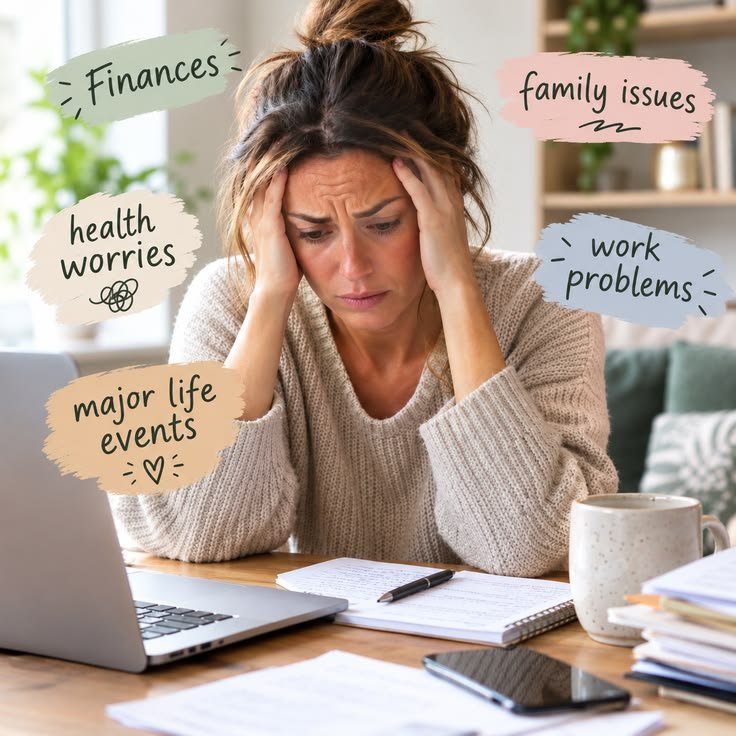
Understanding Everyday Stress
Everyday stress refers to the common pressures individuals encounter in their daily lives, which can influence overall well-being and health. Unlike acute stress, which is a short-term response to an imminent threat, or chronic stress, which persists over an extended duration, everyday stress often arises from routine activities and interactions. It is important to recognize the distinctions among these types of stress, as they can have different implications for our mental and physical health.
Everyday stressors can manifest in various forms, often deriving from both external and internal sources. Common triggers include workplace demands, personal relationships, financial concerns, and even lifestyle choices. For example, tight deadlines and heavy workloads may create pressure in a professional environment, while miscommunication or conflict with family or friends can lead to emotional strain. Such situations can compel individuals to respond with frustration or anxiety, which, if not managed effectively, may contribute to larger health issues over time.
In addition to relational and work-related stressors, everyday stress can also emerge from everyday tasks and societal expectations. The pressure to maintain a certain lifestyle, balance responsibilities, and the overarching kick of daily routines can significantly influence how one feels throughout the day. Even the proliferation of technology has transformed how we experience stress; the constant connectivity and information overload can lead to feelings of being overwhelmed. Identifying and understanding the specific sources of everyday stress is crucial for developing effective coping strategies and promoting resilience.
Recognizing these signs of everyday stress is the first step towards implementing changes that can improve quality of life. By acknowledging stress triggers and being proactive in managing them, individuals can cultivate healthier approaches to daily challenges. In conclusion, distinguishing everyday stress from acute or chronic forms allows for targeted strategies to mitigate its impact on daily living.
Physical Signs of Stress
Stress is a common experience that can affect individuals in numerous ways, particularly through physical symptoms. Recognizing these signs is crucial for maintaining overall health and well-being. One prevalent symptom associated with stress is the tension headache. This type of headache typically manifests as a constant, dull ache in the head, often accompanied by tightness in the neck and shoulders. These headaches can significantly disrupt daily activities and impact quality of life.
Another physical sign of stress is persistent fatigue. When the body is under stress, it can lead to feelings of exhaustion and a lack of energy. This fatigue can be both physical and mental, making it difficult to concentrate and complete tasks. Moreover, when individuals are stressed, their bodies often enter a state of perpetual alertness, which can lead to sleep disturbances. Insufficient rest compounds feelings of tiredness, creating a vicious cycle.
Digestive issues are also common among those experiencing stress. Stress can affect the way the gastrointestinal system functions, leading to symptoms such as stomach aches, diarrhea, or constipation. These digestive problems can be uncomfortable and may deter individuals from consuming meals regularly, which leads to further complications.
Lastly, changes in appetite can be a clear indicator of stress. Some individuals may find that stress causes them to lose their appetite, while others may experience an increase in cravings for unhealthy foods. These shifts can result in unintended weight loss or gain, which may impact one’s self-image and overall health.
Understanding these physical signs of stress is essential for early recognition and effective management. By identifying symptoms such as tension headaches, fatigue, digestive issues, and changes in appetite, individuals can take proactive steps toward alleviating stress and improving their physical health.
Emotional and Mental Signs of Stress
Everyday stress can manifest in various emotional and psychological symptoms that significantly affect an individual’s mental health. One common emotional sign of stress is irritability, where seemingly minor inconveniences can provoke heightened frustration. This irritability may lead to conflicts in personal and professional relationships, compounding feelings of isolation or frustration.
Another prevalent psychological symptom is anxiety, which can create a persistent state of worry about future events or daily responsibilities. Individuals experiencing anxiety often report feeling overwhelmed, apprehensive, or even panicked in situations that previously posed no threat. This heightened state of anxiety can severely impact quality of life, making it difficult to engage in routines or enjoy leisure activities.
Mood swings are another emotional indicator of stress. Individuals may find their emotions fluctuating rapidly, transitioning from happiness to anger or sadness within a short period. These shifts can confuse both the individual and those around them, leading to misunderstandings and an emotional roller coaster that can be challenging to manage.
Difficulties in concentration often accompany these emotional signs, as the racing thoughts brought on by stress can hinder an individual’s cognitive functions. Tasks that require focus may become more challenging, and this inability to concentrate can contribute to feelings of inadequacy and frustration, affecting work performance and personal responsibilities. Furthermore, when stress accumulates without appropriate management, it can lead to more serious mental health issues, such as depression.
Recognizing these emotional and psychological aspects of stress is crucial for intervention. Improved awareness leads to better strategies for coping with these feelings, ultimately enhancing mental health and overall well-being. Addressing these signs early can help individuals reclaim control over their emotional state and reduce the adverse effects of stress on their lives.
Behavioral Changes Linked to Stress
Stress is a common experience that can manifest in various ways, often through noticeable changes in behavior. Recognizing these behavioral indicators is crucial for identifying stress and addressing it effectively. One of the primary signs of stress includes alterations in sleeping patterns. Individuals may experience insomnia, resulting in difficulties falling asleep or staying asleep. Conversely, others may find themselves sleeping excessively yet feeling unrefreshed. These sleep disturbances can significantly impact a person’s overall mood and cognitive function.
Increased social withdrawal is another behavioral change often associated with stress. People experiencing high levels of stress may isolate themselves from friends and family, avoiding social interactions that they once enjoyed. This withdrawal can lead to feelings of loneliness, further exacerbating stress levels and creating a vicious cycle. Engaging with others typically serves as a buffer against stress, so recognizing the need for connection is vital.
Procrastination can also signal underlying stress. When facing overwhelming tasks or responsibilities, individuals may delay or avoid taking action, which can add to the stress over time. This behavior may stem from a fear of failure or a feeling of being unable to cope effectively, intensifying feelings of anxiety and unease.
In some situations, individuals might turn to substances such as alcohol, caffeine, or even nicotine in an attempt to cope with their stress. While these substances may provide temporary relief, they often lead to further complications and do not address the root causes of stress. Understanding these behaviors and their implications can help individuals identify stress in their lives and encourage them to seek healthy coping strategies.

