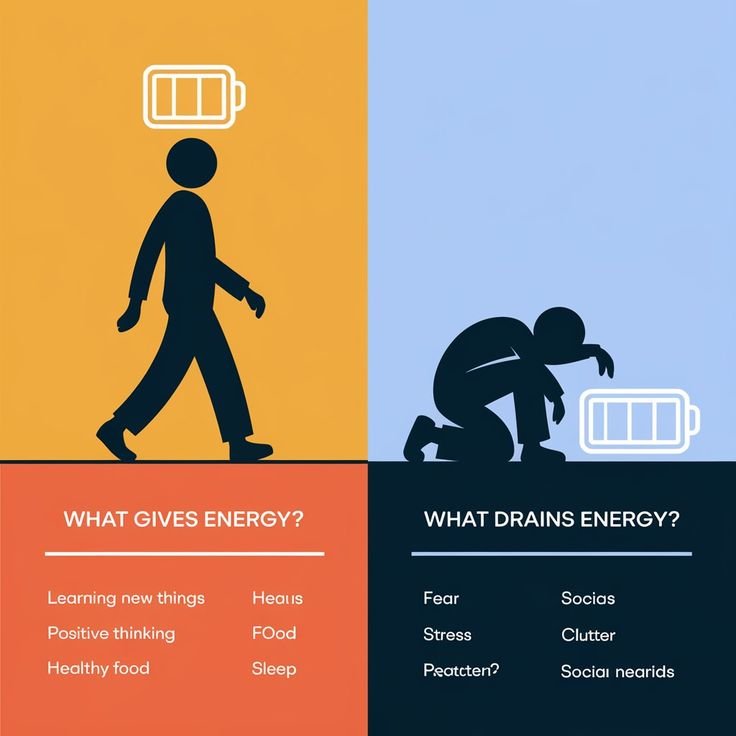
Understanding the Importance of Energy and Focus
Energy and focus are pivotal components of a balanced and productive lifestyle. They serve as the foundation for mental clarity, effective decision-making, and overall well-being. When individuals possess high levels of energy, they often exhibit enhanced cognitive functions, enabling them to tackle tasks with vigor and precision. Focus amplifies this effect, allowing for sustained attention on priorities that align with personal and professional goals.
The relationship between energy and cognitive performance is well-documented; sustaining high energy levels leads to improved concentration and creativity. On the contrary, when energy levels are depleted, individuals may find themselves grappling with fatigue, diminished motivation, and an inability to concentrate effectively. This duality underlines the importance of nurturing energy and focus to foster a productive environment.
In the context of modern life, various factors inhibit our natural energy levels and concentration. The fast-paced nature of contemporary society often demands constant multitasking, leading to mental exhaustion. Additionally, environmental stressors, such as noise pollution and digital distractions, contribute to reduced focus. This combination of factors tends to overwhelm our cognitive faculties, making it increasingly challenging to maintain the energy levels necessary for effective performance.
Moreover, the pervasive use of technology has engendered habits that detract from our innate focus. The frequent interruptions from notifications and emails can fragment attention, creating difficulties in maintaining prolonged engagement with tasks. Consequently, cultivating strategies to enhance energy and focus becomes essential not just for personal health but also for achieving desired outcomes in various aspects of life.
Key Habits to Enhance Your Energy and Focus
To cultivate a life of energy and focus, individuals can adopt several key habits backed by scientific research. Nutrition plays a significant role; consuming a balanced diet rich in whole foods, including fruits, vegetables, lean proteins, and whole grains, provides the body with essential nutrients that boost energy levels. Studies suggest that a diet high in complex carbohydrates, healthy fats, and protein sources can improve cognitive function and overall stamina.
Moreover, proper hydration is crucial for maintaining concentration and mental clarity. Dehydration can lead to fatigue, decreased alertness, and diminished cognitive performance. Regularly drinking water throughout the day, especially in between meals, can help maintain optimal hydration levels and enhance focus during tasks.
Another critical factor is sleep quality. Sleep deprivation has been linked to a decline in cognitive abilities, increased irritability, and reduced energy. Aiming for 7-9 hours of quality sleep each night can significantly enhance an individual’s cognitive response and energy levels. It’s beneficial to establish a sleep routine that involves winding down before bed and creating a restful environment.
Incorporating regular physical activity into one’s routine also boosts energy levels and enhances mental focus. Exercise promotes the release of endorphins, which can improve mood and increase overall vitality. Engaging in activities like walking, yoga, or team sports helps refine focus and can provide quick energy boosts throughout the day.
Lastly, mindfulness practices such as meditation and deep-breathing exercises contribute to improved concentration and sustained attention. Research demonstrates that mindfulness can help in reducing stress and anxiety, leading to increased mental clarity. By dedicating just a few minutes each day to mindfulness exercises, individuals can cultivate stronger focus and a sense of calm.
Creating an Environment that Supports Focus and Energy
The physical and social environments in which an individual operates play a crucial role in determining their overall energy levels and ability to concentrate. A well-organized and decluttered workspace can significantly enhance productivity and mental clarity. When the surroundings are clean and orderly, individuals are less likely to be distracted, allowing them to focus more intently on their tasks. Therefore, maintaining a tidy space should be a priority for anyone looking to cultivate higher energy levels and sharper focus.
Moreover, the design of the workspace can greatly influence working habits. For instance, utilizing ergonomic furniture and ensuring adequate lighting can lead to a more comfortable and inviting atmosphere, which directly affects energy and attention span. Personalizing this space according to one’s preferences—such as incorporating motivational quotes, plants, or personal artwork—can make it feel more engaging, promoting a positive mindset conducive to focus.
In addition to optimizing physical surroundings, the social environment also plays a significant role in sustaining energy and attention. Surrounding oneself with supportive individuals who encourage productivity can foster a more energetic atmosphere. Conversely, being in the company of negative influences or constant distractions can diminish focus and drain energy. Engaging with peers who share similar goals can lead to mutual motivation and accountability.
Another important aspect is minimizing distractions. Implementing strategies such as setting boundaries for social media use, utilizing focused work periods, and creating a dedicated area for work can help in reducing interruptions. Such strategies contribute to an environment that prioritizes focus and energy, enhancing overall well-being.
In conclusion, both the physical and social environments significantly impact one’s energy and ability to focus. By decluttering and organizing workspaces, as well as surrounding oneself with positive influences, individuals can create an environment that fosters a heightened sense of energy and concentration, ultimately supporting their productivity and engagement in various tasks.
Long-term Strategies for Sustaining Energy and Focus
To cultivate a life imbued with energy and focus, it is essential to adopt strategies that promote consistent mental and physical vigor. One fundamental approach involves the establishment of clear, attainable goals. Setting specific objectives allows individuals to create a roadmap for personal success, which can greatly enhance motivation and focus. Regularly revisiting and refining these goals is crucial, as it ensures alignment with one’s evolving aspirations while maintaining a sense of purpose.
In addition to goal-setting, self-assessment plays a pivotal role in sustaining energy levels. Periodically evaluating one’s physical and mental health can uncover potential areas for improvement. This could involve tracking energy levels, productivity, and emotional well-being through journaling or using specific apps designed for mindfulness and productivity. Such self-reflection provides insights that can lead to actionable changes in daily routines and habits.
Moreover, implementing regular check-ins with oneself can further enhance focus. Allocating time each week to contemplate progress can reinforce motivation and highlight challenges that may have emerged. This reflective practice fosters resilience, encouraging individuals to adapt their strategies as necessary. Over time, this flexible approach can significantly bolster energy levels and maintain focus, even in the face of adversity.
Ultimately, resilience and adaptability are cornerstones in the pursuit of a vibrant, focused life. Embracing change and facing challenges head-on can lead to profound personal growth. By nurturing these qualities, individuals can sustain their energy influx over the long term, fostering an enduring capacity for focus and productivity.

